Situated in South Africa’s eastern Lowveld, the Selati Wilderness Foundation (SWF) operates within the Selati Game Reserve, which spans 28,000 hectares of rugged, ancient terrain just west of Kruger National Park. This enclosed reserve is characterised by sweeping mopane veld and granite outcrops shaped by some of the oldest geological formations on earth.
The reserve forms a crucial ecological node within the Greater Limpopo Transfrontier Conservation Area, supporting an exceptional diversity of wildlife: more than 50 mammal species, over 320 bird species, thriving predator guilds, and important plant communities, including the only naturally occurring population of the critically endangered Lillie Cycad (Encephalartos dyerianus).
SWF leads a wide portfolio of work: advancing endangered species protection, strengthening anti-poaching capacity, supporting rural school programmes, providing scholarships for young conservationists, and investing in scientific research that contributes to evidence-based management.
Established in 2018 as a registered Non-Profit Company, the Selati Wilderness Foundation exists to ensure the long-term protection of Selati Game Reserve’s wildlife, habitats, and biodiversity. Governed by a dedicated Board of Directors and independently reviewed by BDO South Africa, a registered audit and assurance company, the SWF operates with full legal and financial compliance. Recognised by the South African Revenue Service as a Public Benefit Organisation, allowing supporters to receive tax-deductible Section 18A certificates for qualifying donations. SWF is also a validated organisation with CAF America, enabling US-based donors to make tax-deductible contributions to our work through one of the world’s most trusted international giving platforms.
Conserve the biodiversity of the Selati Game Reserve and Greater Kruger Region, through effective, research-led conservation action.
Educate and inspire current and future generations to understand, value, and actively protect the region’s wildlife and ecosystems.
Raise support and funding through community initiatives, innovative research, and targeted conservation work that directly contributes to the long-term sustainability of the region’s biodiversity.
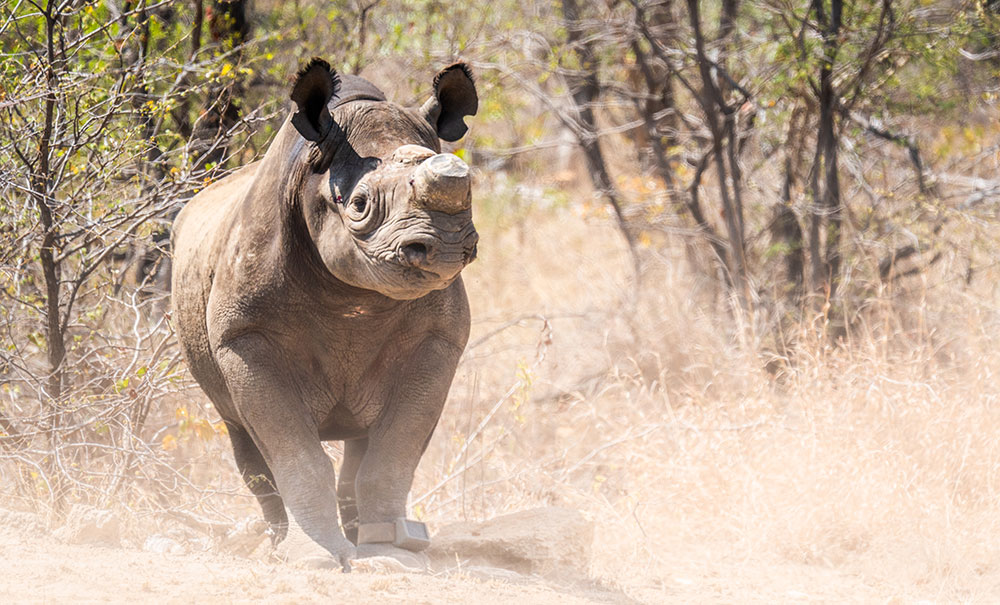
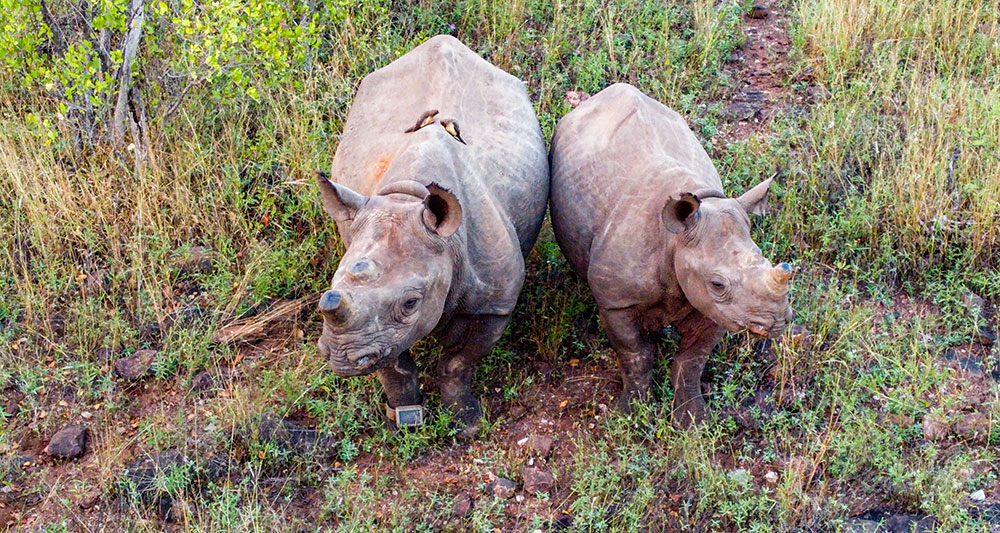
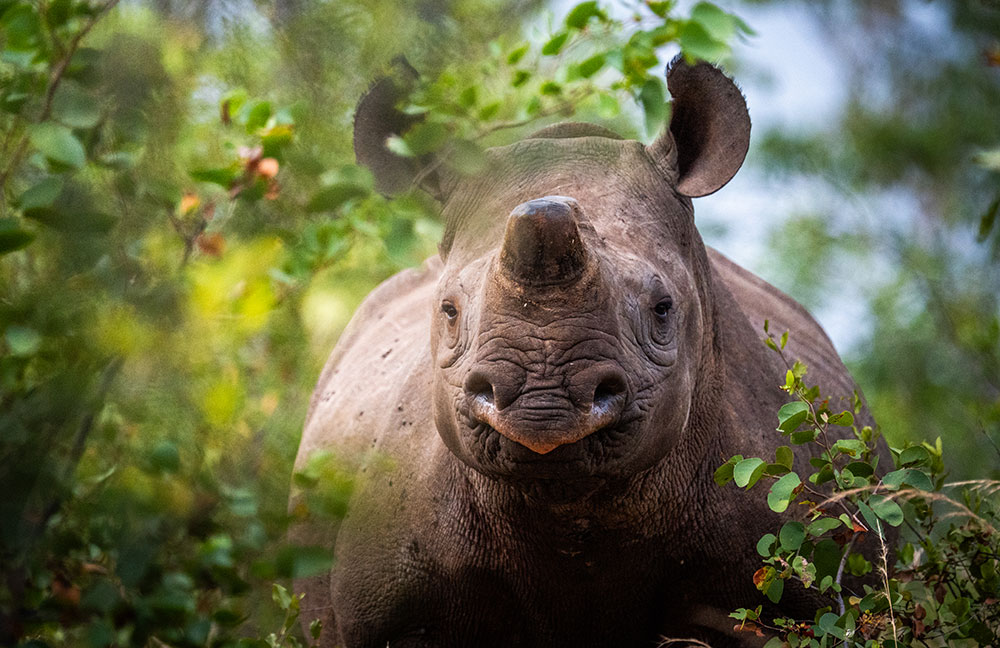
Rhino conservation at Selati Game Reserve is at the core of our identity and our responsibility, it is also a strategic national contribution to safeguarding South Africa’s remaining rhino populations. Selati is home to both the Critically Endangered southern central black rhinoceros (Diceros bicornis minor) and the Near Threatened Southern White Rhinoceros (Ceratotherium simum simum), making the reserve a stronghold for two of Africa’s most iconic megafauna.
The significance of this responsibility is reflected in national policy. Selati’s rhino management is guided by the Biodiversity Management Plan for Black Rhinoceros, published under NEMBA, as well as internationally accepted best practice.
As part of the Black Rhino Range Expansion Programme under WWF-SA, Selati contributes to a long-term regional meta-population approach aimed at growing the national population to 3,000 individuals, including at least four populations exceeding 100.
Corporate partnership will become the mechanism that allows us to continue operating at the forefront of rhino protection while expanding our capacity. The Selati Wilderness Foundation’s Rhino Adoption Programme is built as a meaningful bridge between companies, individuals and the conservation frontline, providing transparency, measurable impact, and a genuine relationship with the rhinos whose survival depends on collective action.
Each adoption connects a company or an individual directly with a specific wild rhino under Selati’s protection, an individual animal whose life, behaviour, and story the sponsor follows over time. Once enrolled, partners receive a personalised digital profile of the rhino, complete with photographs, history, monitoring notes, and updates from the field.
Selati’s rhino monitoring system is one of the most advanced in the Lowveld. The reserve was the first to deploy Rouxcel’s AI-enabled rhino collars, a significant step forward in behaviour analysis and high-accuracy threat detection. These solar-assisted devices send real-time alerts via our private network directly to EarthRanger. Since January 25, the network has generated an average of 13 alerts per month, all investigated by anti-poaching teams.
Corporate sponsors gain insight into these technological advancements, often witnessing the deployment or follow-up response themselves. Companies also benefit from priority notification when a critical intervention is required, such as dehorning, collaring, veterinary treatment, or emergency response. Where safe and appropriate, corporate partners and individuals may attend these interventions, creating rare opportunities to see conservation in action. Attendance at these interventions, and any associated participation, will be offered at market related rates.
Adoption is not symbolic; it is active participation in the protection and monitoring of a vulnerable rhino.
Selati can offer optional field-immersion experiences for individuals and corporate partners who wish to deepen their understanding of rhino protection on the reserve. These experiences are structured conservation engagements, billed at fair market value, that allow organisations to witness the realities of rhino protection while supporting their own Environmental, Social and Governance (ESG) objectives, staff engagement, and leadership development goals.
Spending time in the field with Selati’s dedicated Rhino Monitor to understand daily tracking routines, behaviour observations, and the practical realities of monitoring a free-roaming rhino population.
Observing demonstrations of Selati’s AI-enabled monitoring systems, including thermal-drone deployments and real-time collar data interpretation.
A conservation briefing with Selati’s Wildlife Manager covering management considerations such as population dynamics, security requirements, and long-term safeguarding of genetic diversity.
Anti-Poaching & Security
Selati’s security operation is robust and continuously evolving. FY25 saw 43 rhinos dehorned as a preventative measure. Additional patrol capacity, improved communication systems, and expansion of the canine capability are ongoing priorities.
AI-Driven Monitoring
Selati’s Rouxcel network, the first of its kind technology in the Lowveld. Baby Rhino Rescue sponsored twenty Rouxcel Collars, with additional units funded by the SWF. The long-term aim is full coverage of the reserve area and also collars for the entire adult population.
Aerial Surveillance
We are seeking funding to integrate thermal drones, enabling increased aerial response, night operations, and enhanced search pressure to deter illegal incursions.
Veterinary & Emergency Response
Sponsors help fund immobilisation costs, including vets, helicopters and spotter aircraft, sample collection for genetic databases, emergency callouts, and treatment of injuries.
Genetic Monitoring
Genetic diversity is essential to long-term population resilience. Selati incorporates DNA profiling and sample storage into future immobilisation events, aligning with national meta-population strategies.
The Corporate Rhino Sponsorship Programme is structured to integrate seamlessly into corporate sustainability and responsibility strategies. Each partnership includes visibility benefits such as mentions on our website and in our annual report, co-branded social media posts, and a small marketing pack that organisations can use across their own communication channels.
Beyond visibility, the programme offers something uniquely powerful: clear, evidence based reporting drawn directly from field operations.
These experiences provide rich content for staff engagement, ESG reporting and Corporate Social Responsibility (CSR) disclosures, investor communications, and broader brand-purpose narratives.
South African corporate donors are eligible to receive Section 18A tax certificates for qualifying donations, providing a direct tax benefit alongside the reputational value of the partnership. For internationally headquartered organisations with US-based giving structures, SWF is a validated organisation with CAF America, enabling tax-deductible contributions from the United States.
Meanwhile, SWF continues to expand its fundraising strategy. Past donors, such as WWF, Saving the Survivors, Wildscapes Veterinary Services, and Baby Rhino Rescue, have been fundamental to Selati’s progress. Our next steps include developing an innovation-focused grant proposal centred on technology and capacity building.


Selati Game Reserve is not only a place of protection; it is an active site of scientific inquiry. In partnership with the University of Pretoria, the Reserve is currently hosting MSc research that will shape how closed-system rhinoceros populations are managed across South Africa for years to come.
Madeline Siegel, Research Coordinator at Selati and MSc candidate at the University of Pretoria, is investigating the genetic health of the Reserve’s southern white rhinoceros population, more than thirty years after the species was first reintroduced here. Her research is supervised by Dr Isa-Rita Russo, with co-supervision from Prof Paulette Bloomer and Prof Adrian Shrader.
When white rhinos are introduced to a fenced reserve, they become genetically isolated. Without natural dispersal, gene flow stops. Over generations, small closed populations become vulnerable to inbreeding, reduced allelic richness and the effects of genetic drift, processes that do not show up in headcounts but can quietly erode a population’s fertility, disease resistance and capacity to adapt. With 61% of South Africa’s white rhinos now living on private land, understanding the genetic condition of these populations has become a genuine conservation priority.
Madeline’s research draws on DNA samples collected from Selati’s rhinos during routine management operations, including ear notching, microchipping and dehorning. Tissue, blood, hair and horn shavings are submitted to the Onderstepoort Veterinary Genetics Laboratory at the University of Pretoria, where genotyping is carried out across 23 microsatellite markers. This will allow her to calculate key genetic diversity indices, estimate effective population size, assess inbreeding coefficients and map the relatedness structure across an estimated 140 individuals, spanning founder animals through to calves born in 2024. A comparative dataset from the broader South African white rhino metapopulation will be included to contextualise Selati’s population within the wider regional picture.
That genetic data will then feed into population viability analysis using Vortex modelling software, running 10,000 simulations across a 100-year period to project how the population is likely to fare under different management scenarios. These will include variations in translocation strategy, testing whether and how frequently the introduction of unrelated individuals could safeguard genetic diversity while keeping population growth within the Reserve’s ecological carrying capacity.
The findings will be directly applicable to Selati’s management decisions, and, given how many South African reserves share a similar history of reintroduction and isolation, are likely to carry value well beyond the Reserve’s boundaries. At a time when the long-term recovery of the southern white rhinoceros depends as much on genetic stewardship as on anti-poaching effort, research of this kind is not a peripheral concern. It is central to what responsible reserve management looks like.
Becoming a Corporate Rhino Partner is simple and collaborative. Each partnership represents a three-year commitment of US$20,000 (approximately US$6,667 per year), providing sustained support for the protection and monitoring of an individual rhino while enabling long-term conservation impact. Partnership levels can be discussed to suit different giving capacities, and we welcome shared or co-sponsorship arrangements, allowing two or more partners to jointly adopt a rhino. We tailor each partnership to a company’s or individual’s objectives, whether those focus on ESG reporting, employee engagement, South African tax optimisation, or visible conservation leadership. Once confirmed, SWF will prepare a partnership agreement and produce the adoption pack for the assigned rhino. Regular updates follow throughout the three-year period, alongside invitations to participate in interventions, monitoring events, and field visits.
At its heart, this programme is built on transparency, integrity, and a shared commitment to safeguarding one of Africa’s most threatened species. Through corporate stewardship, Selati’s wild rhinos stand a stronger chance of surviving poaching pressures, maintaining genetic integrity, and contributing to South Africa’s national meta-population goals.